TripLinker Architecture
TripLinker is a high-performance travel itinerary planner built on the MERN stack, designed to optimize trip scheduling using advanced geospatial algorithms. It features a custom-built A Search algorithm* and a geospatial grid system that segments multi-day paths with an impressive pathfinding 8–23ms latency.
The Result & Tech Stack
TripLinker provides an intelligent, automated itinerary generator based on available listings and spatial constraints. It supports a dual-account system (Business/Traveler) secured by stateless JWT auth and RBAC middleware.
- Within 5 min, itinerary planner
- O(1) Nearby Search via Spatial Grids
- Smart Geocoding with Nominatim (OSM)
- unified review systems
- Automated image cleanup & data integrity via MongoDB
Core Stack
The Core Problem
Manual Planning is Broken
Finding a solid, day-by-day trip plan costs hours of research. Budget tracking, maximum daily travel limits, and finding logical routes are exhausting.
While Current Maps solves meter-level navigation, it lacks "1-click contextual discovery". If I want to find stays specifically within a 3km to 5km radius of my daily activities—calculated alongside my itinerary route—standard maps require manual distance checking and jumping between tabs. TripLinker solves this by unifying stay, activity, and distance directly into the itinerary flow.
Initial Approach -> Roadblocks -> RESEARCH
FIRST THOUGHT
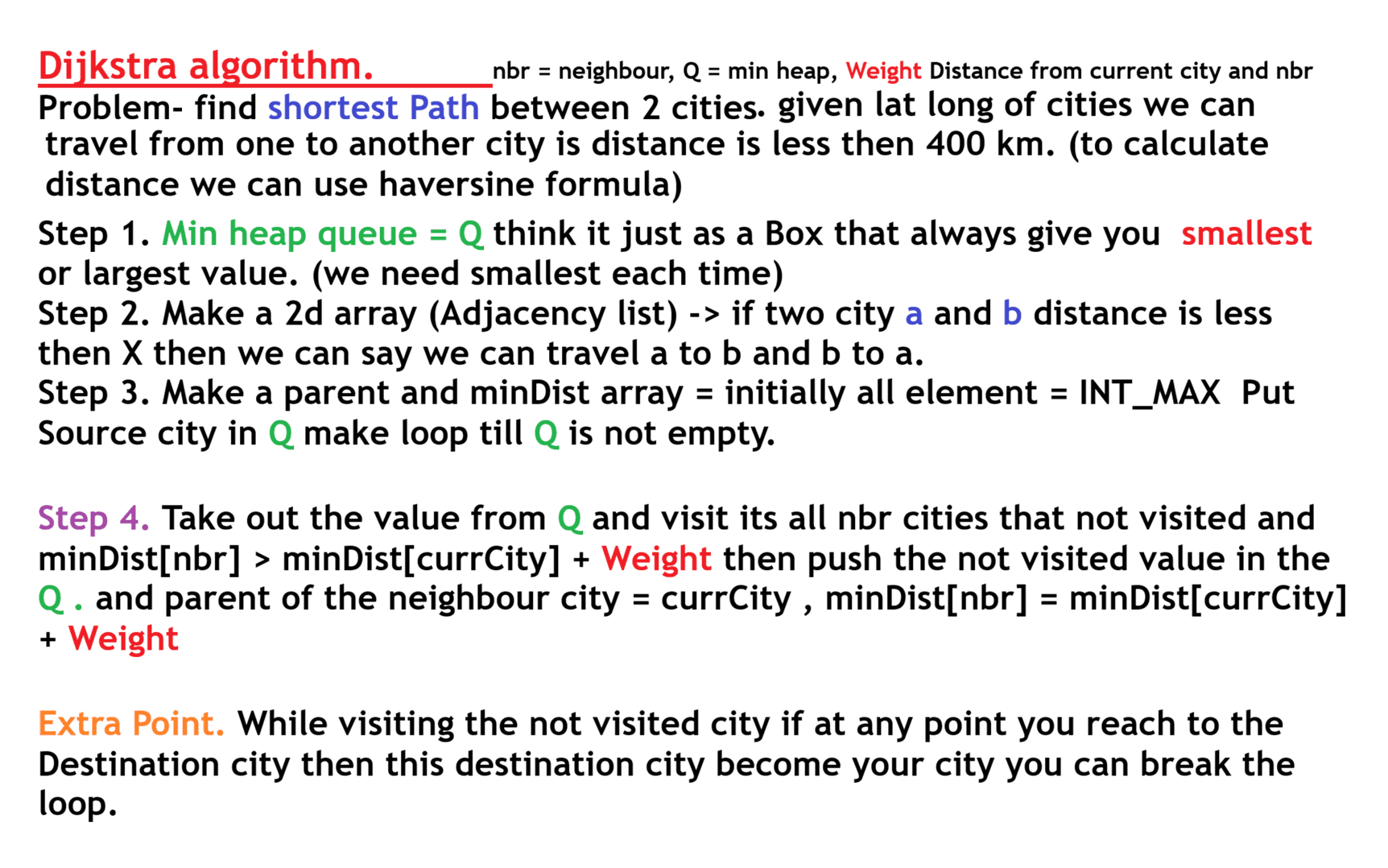
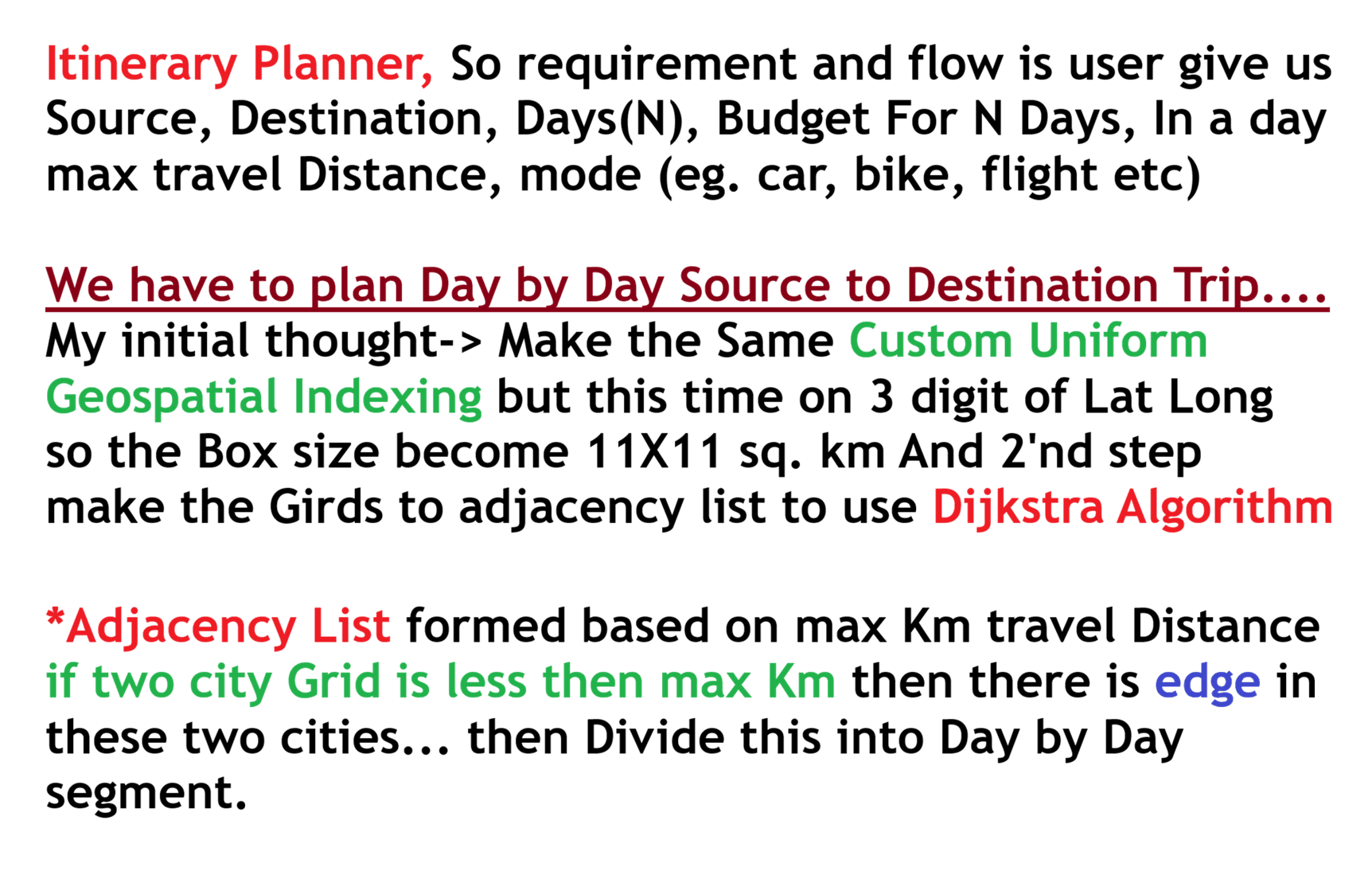
My first instinct was to build a standard GeoSpatial Graph CityGrid System using Dijkstra's Algorithm to connect distances between points of interest (POIs).
The Bottleneck
Dijkstra explores uniformly in all directions. When calculating multi-day routes across a city with thousands of nodes, the time complexity exploded. Knowing what was "next door" was easy, but connecting distant hubs was deeply inefficient. I needed a heuristic.
RESEARCH
To optimize the routing, I had to change the underlying math and data structures. Extensive research led me to spatial indexing and heuristic-based pathfinding.
A* Search & Elliptical Corridors
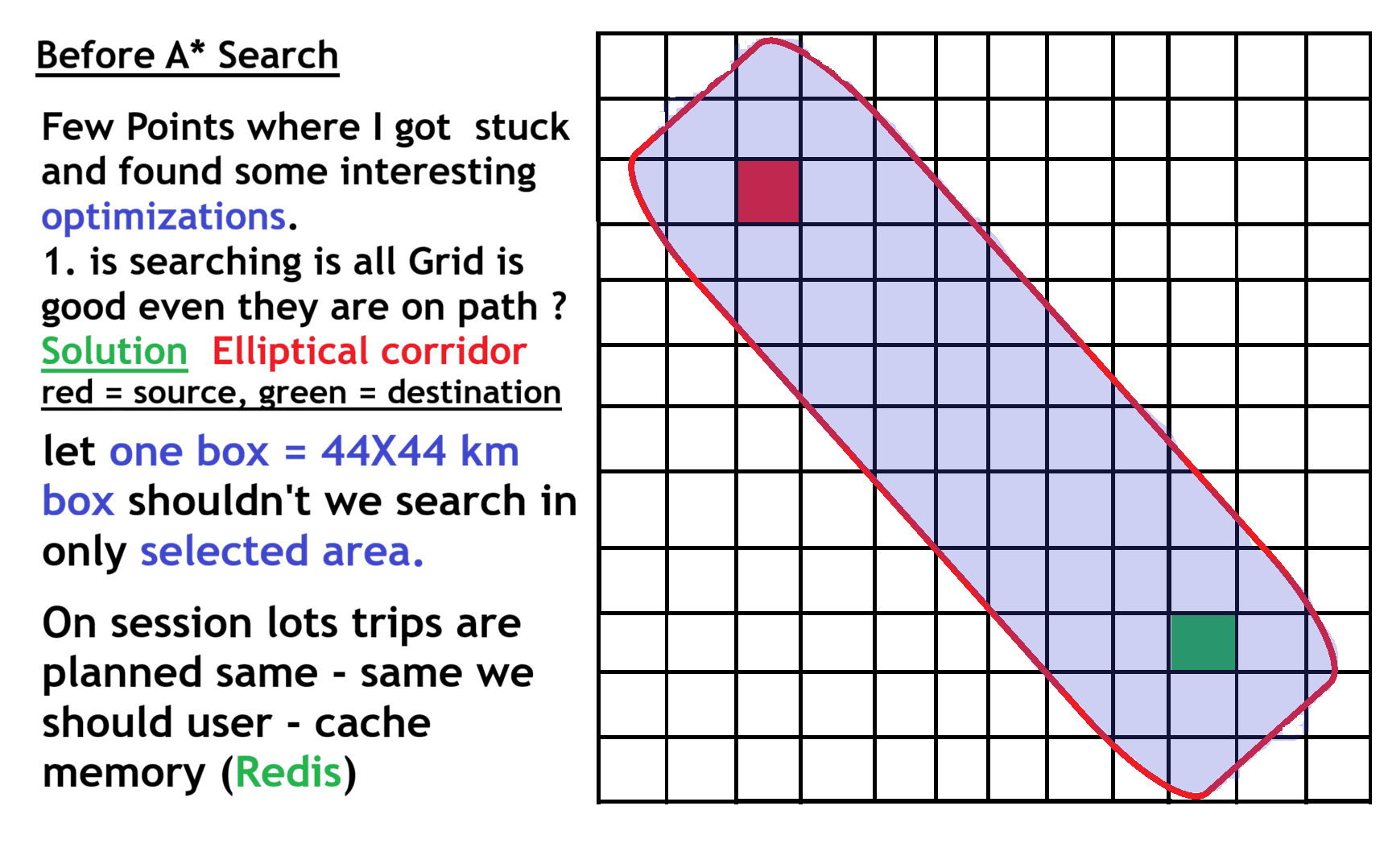
Introduced an A* heuristic to direct the search towards the destination, filtering out POIs that fall outside a logical travel corridor, drastically reducing computed nodes.
Haversine & Nominatim
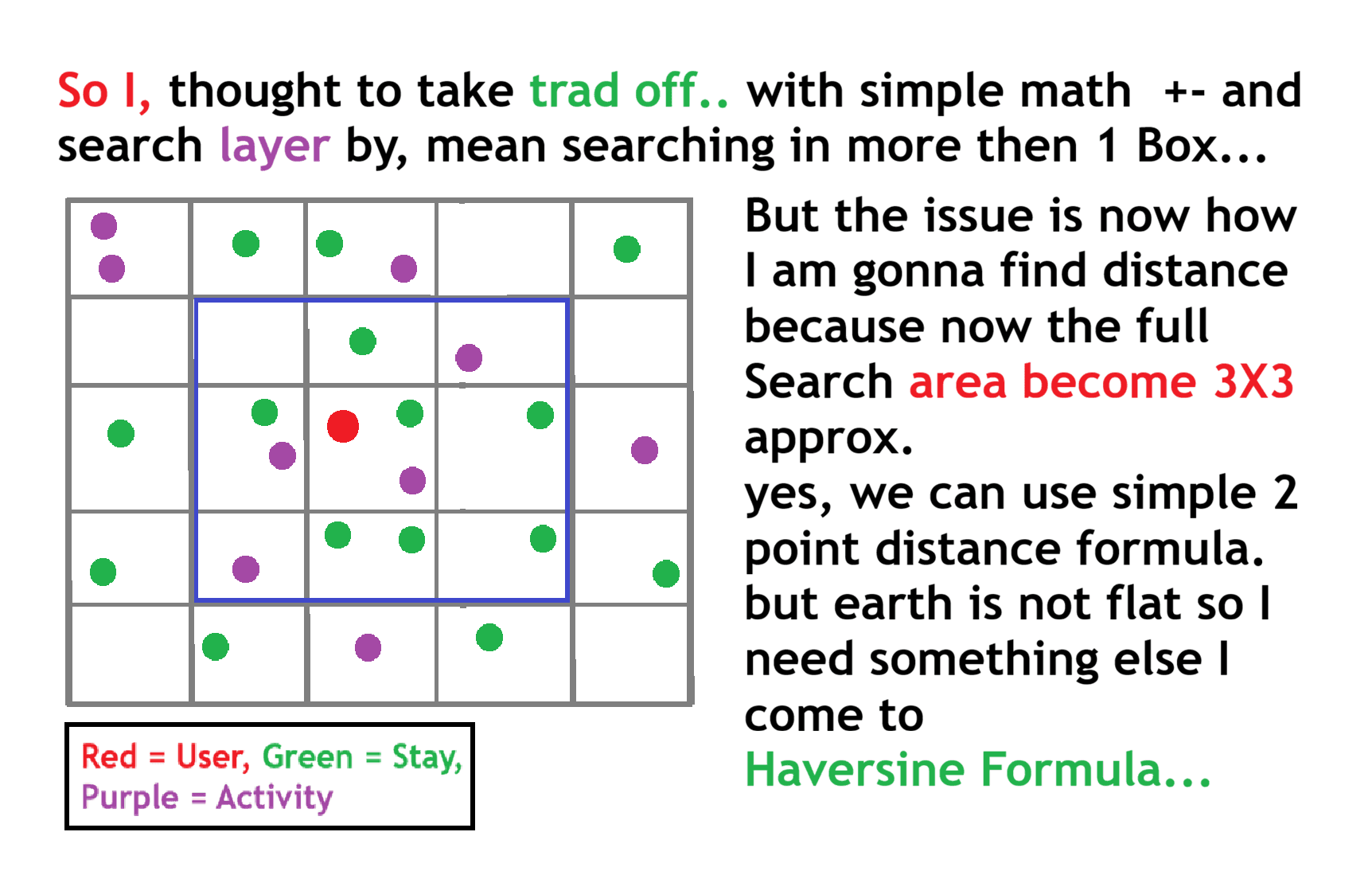
Implemented the Haversine formula for accurate spherical distance and integrated OpenStreetMap (Nominatim) for dynamic, real-time coordinate mapping.
2'nd feature : Smart Geocoding & Discovery
1'st feature : A* Driven Itinerary Generator
Development Dive: Implementation & Workflows
Below is a breakdown of the core modules and how they translate from backend logic to the actual user interface.
1. A* Driven Itinerary Generator
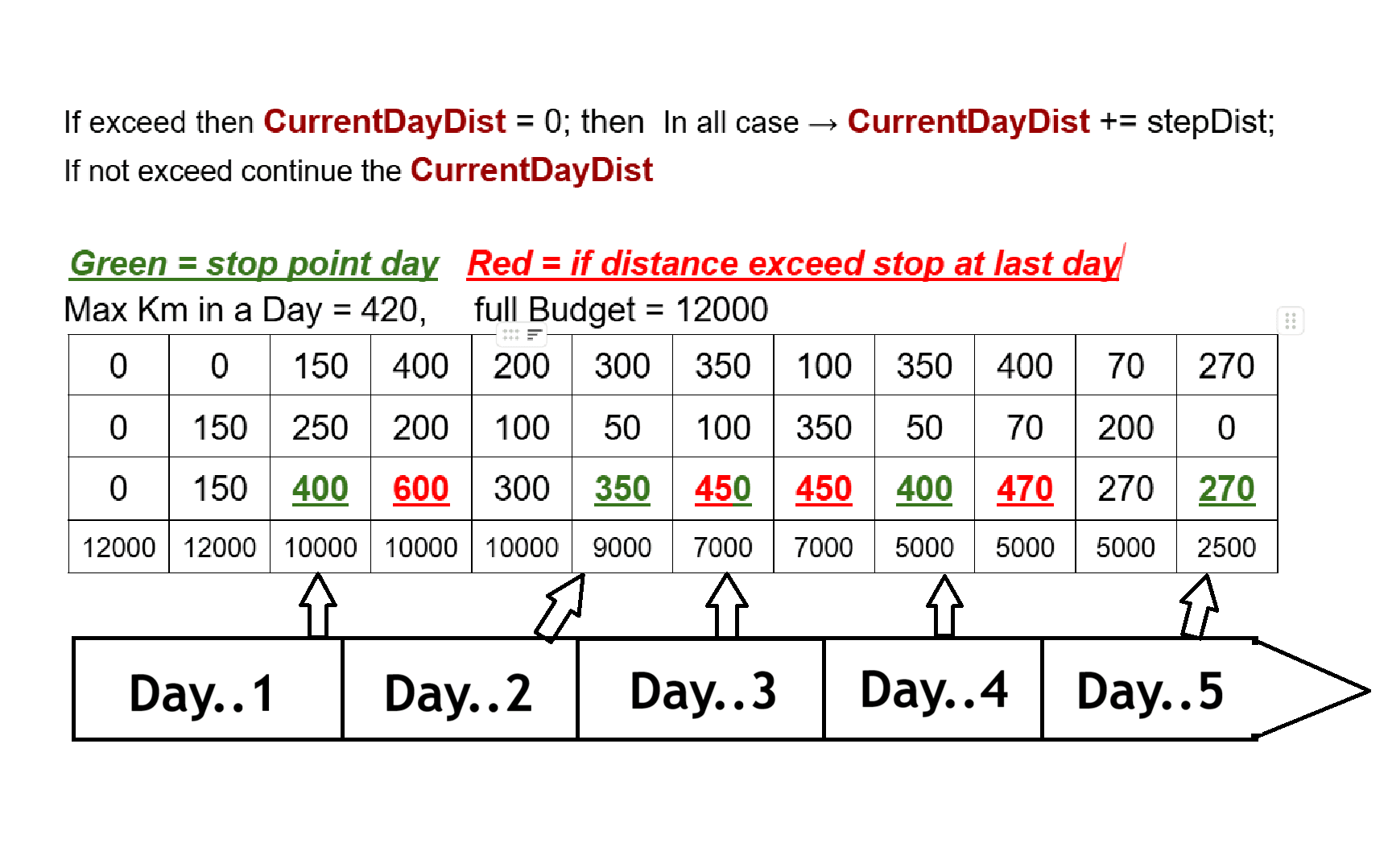
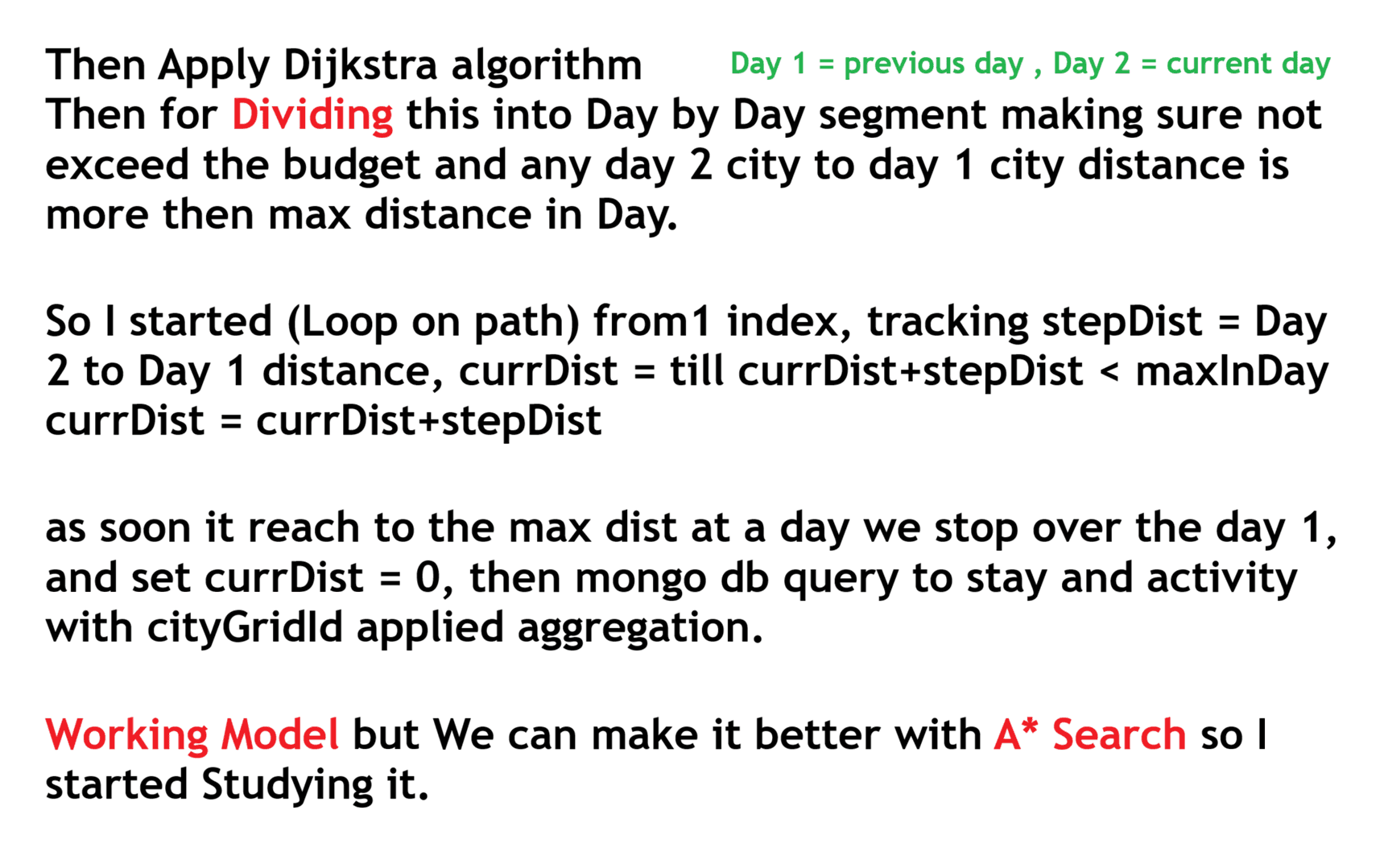
Converts Source and Destination strings into Lat/Lng coordinates. Uses a Bounding Box to retrieve "Corridor Grids" from MongoDB + haversine formula, loading them into a Node.js Map. The A* Algorithm Solver executes pathfinding and segments results by day based on MaxKm constraints.
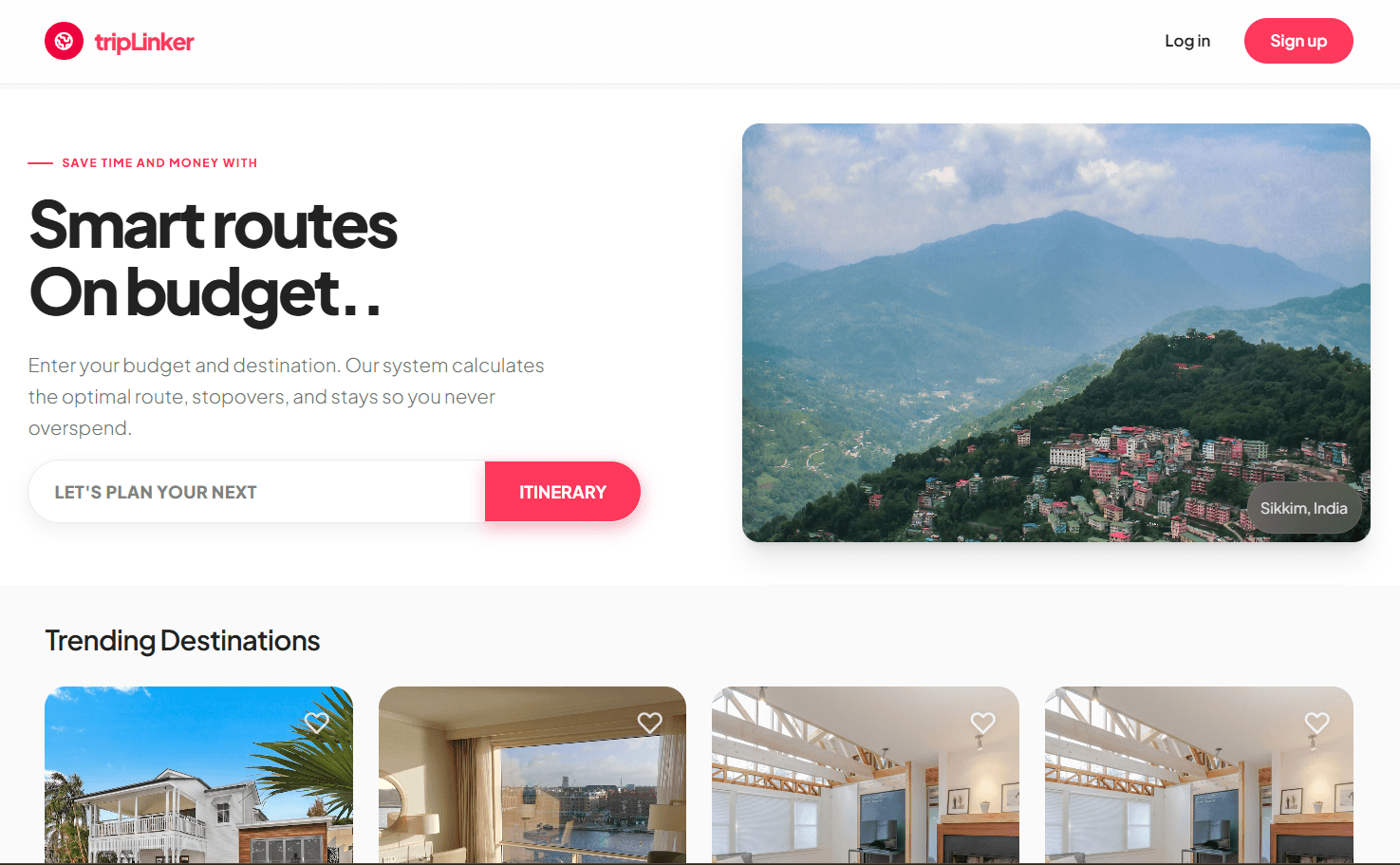
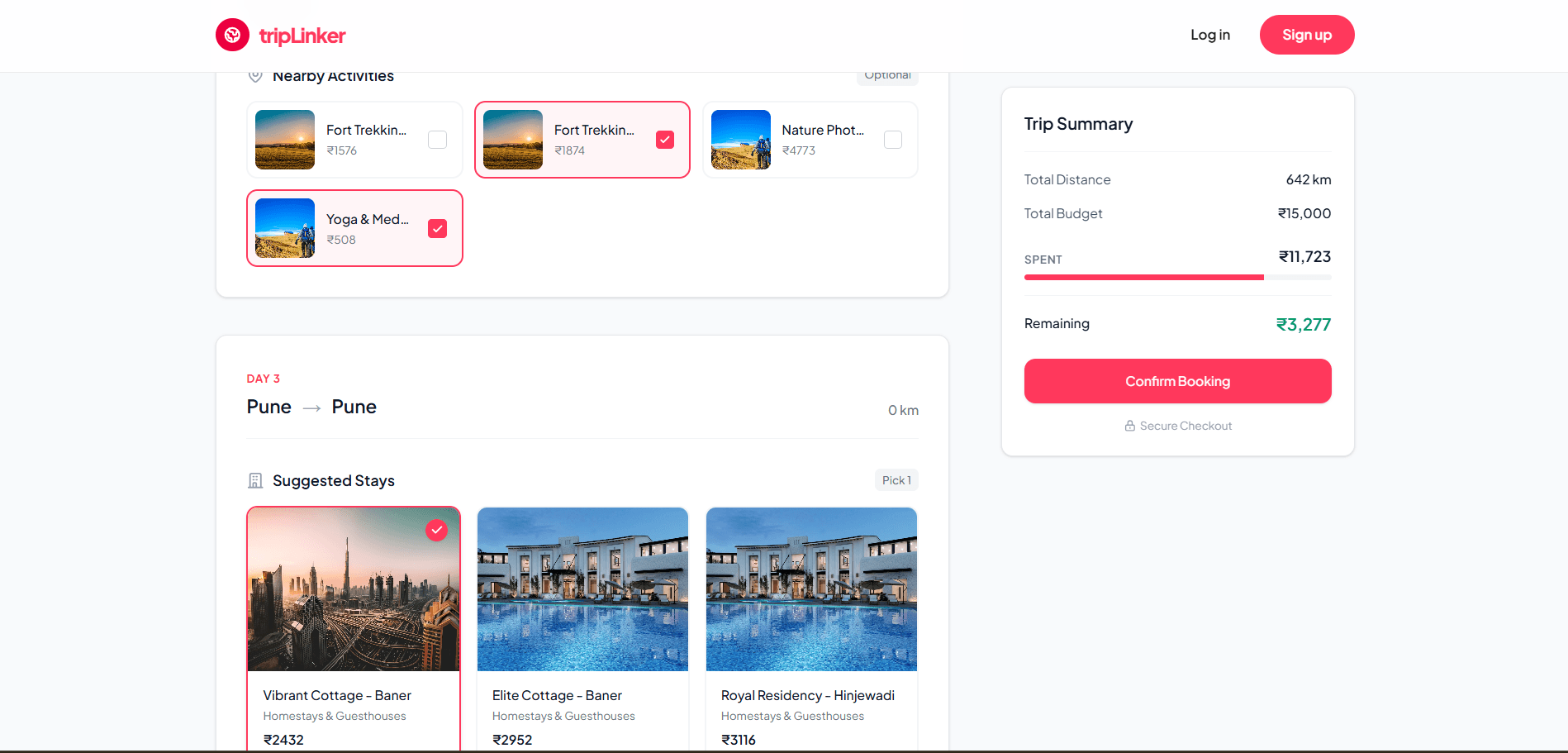

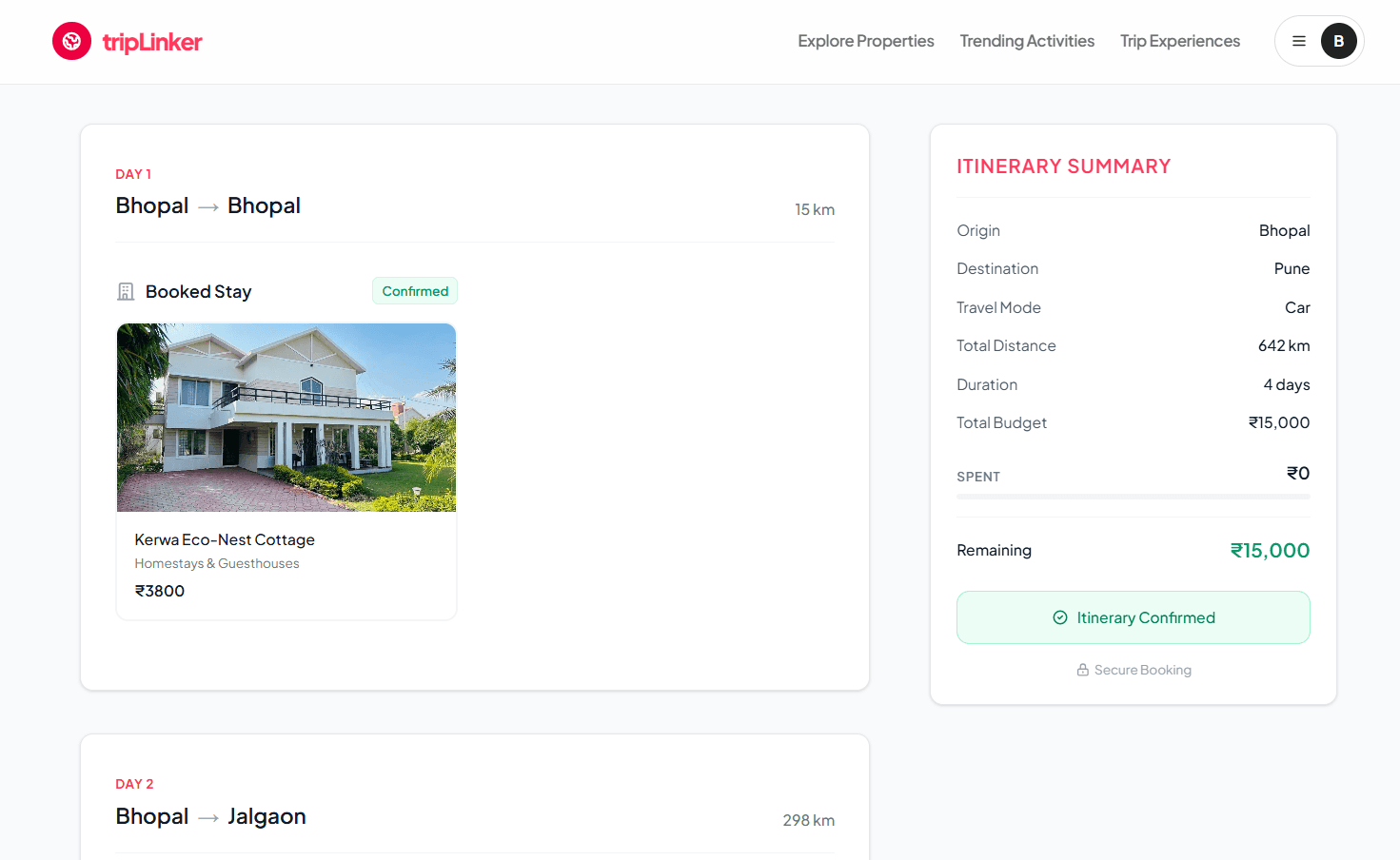
2. Smart Geocoding & Discovery
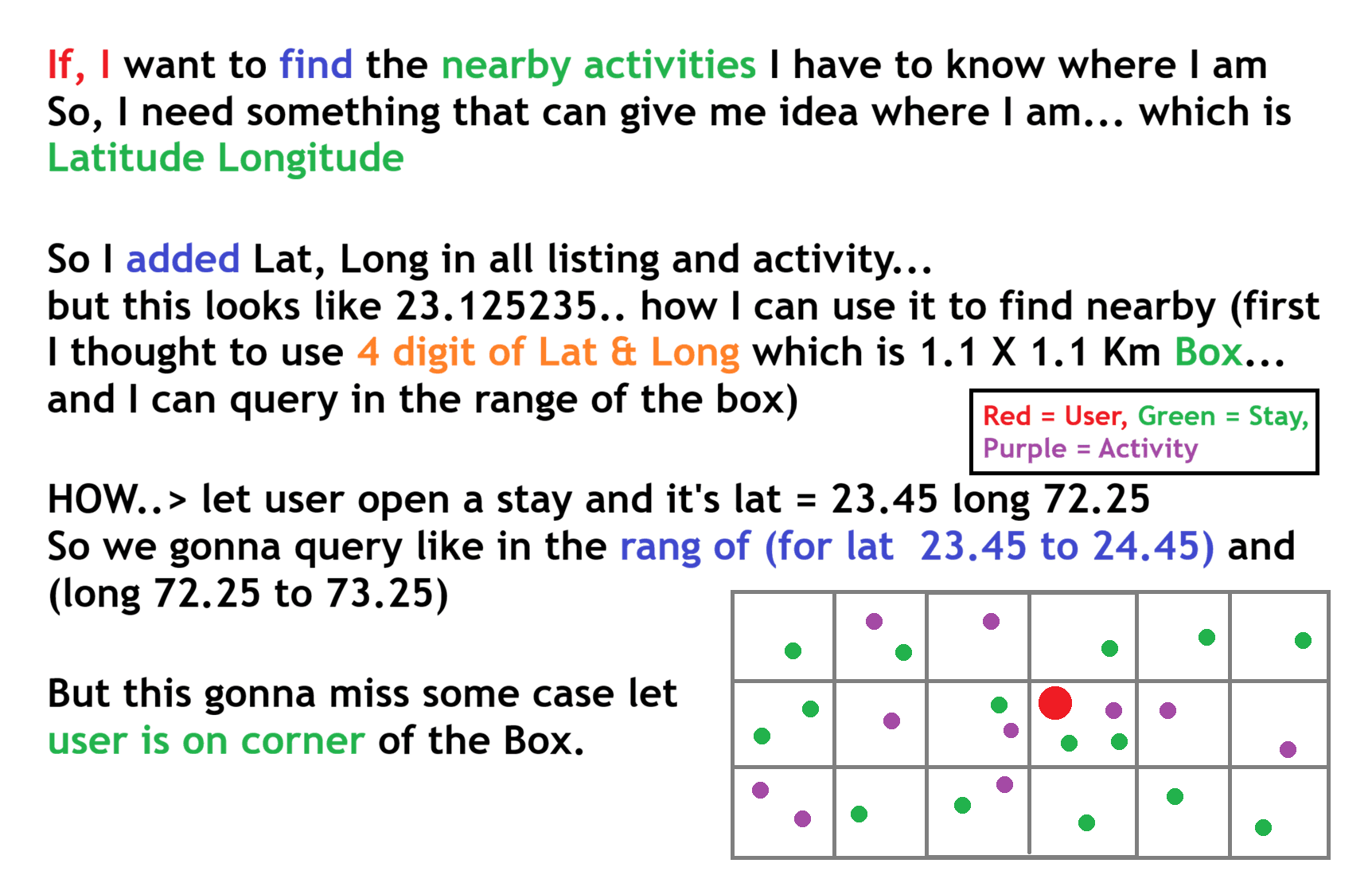
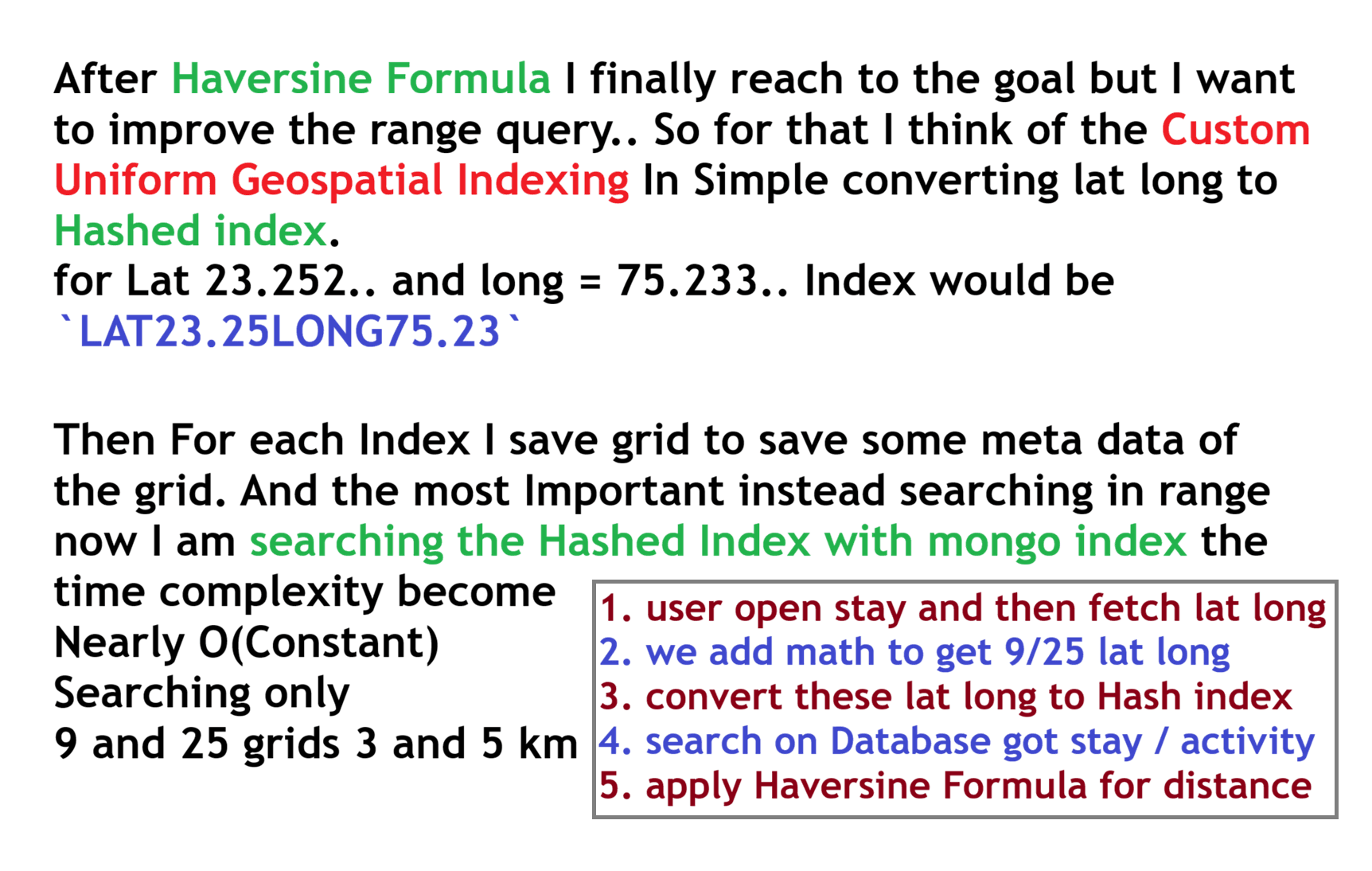
Utilizing the Nominatim (OpenStreetMap) API, TripLinker converts addresses into dynamic coordinates then with math get 9/25 box latitude and longitude then convert it to Hashed Index then finding it into mongo db with index true, then distance calculations, location-based sorting, and interactive map exploration.
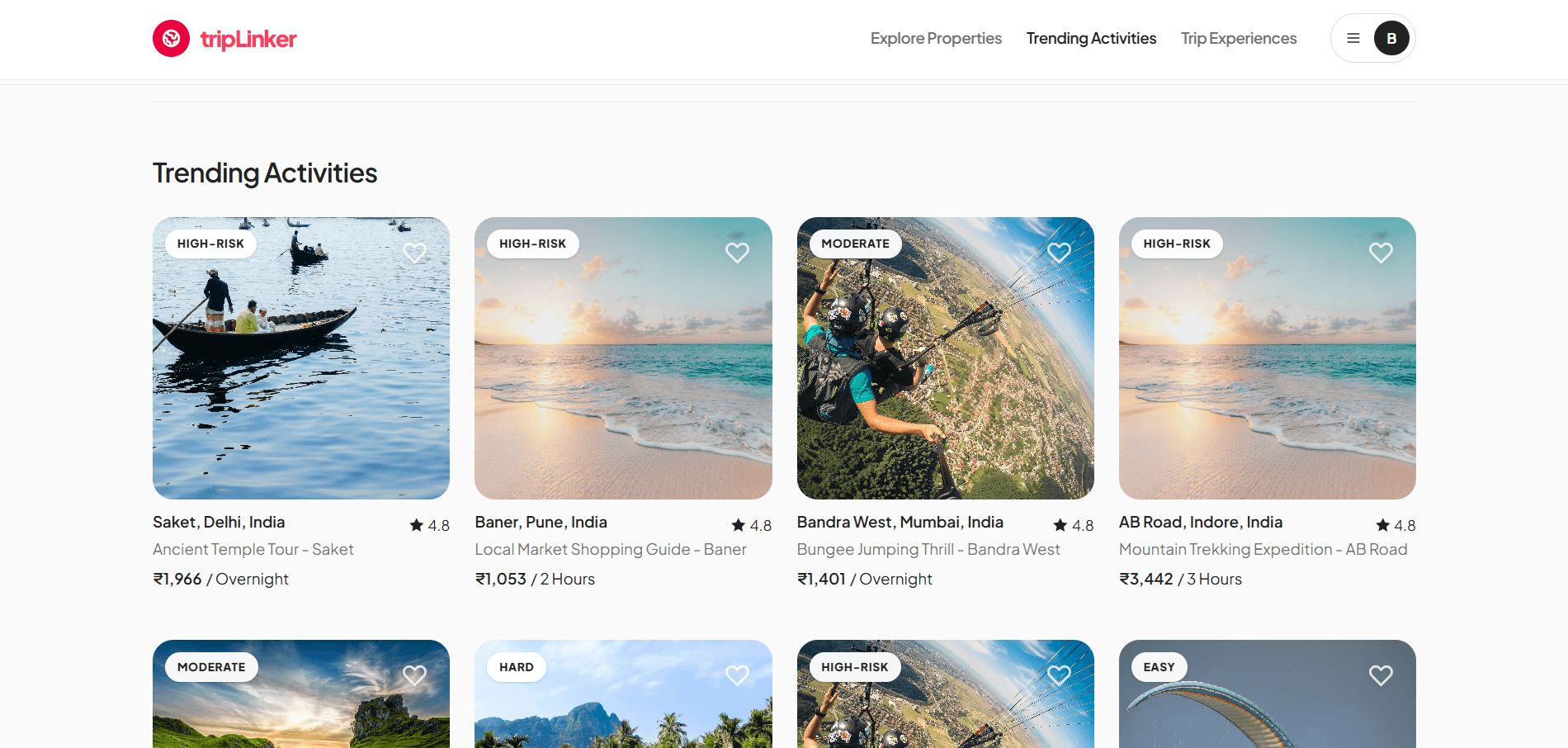

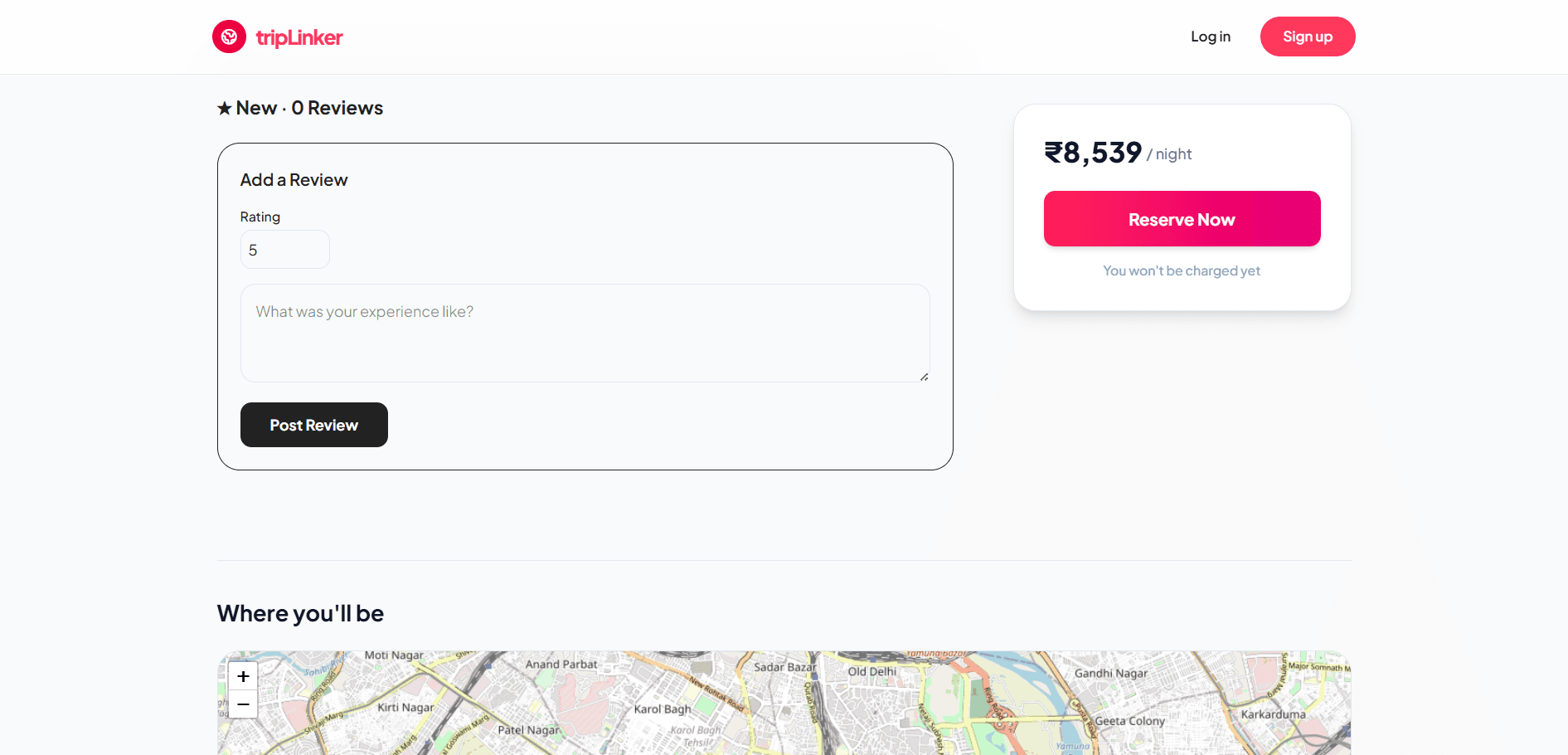
3. Dual-Account Ecosystem & Review System
Optimized for distinct user flows: Travelers create personal itineraries and explore social feeds. Business Owners manage properties/activities and post promotional trips. Includes a unified review system across all entities.

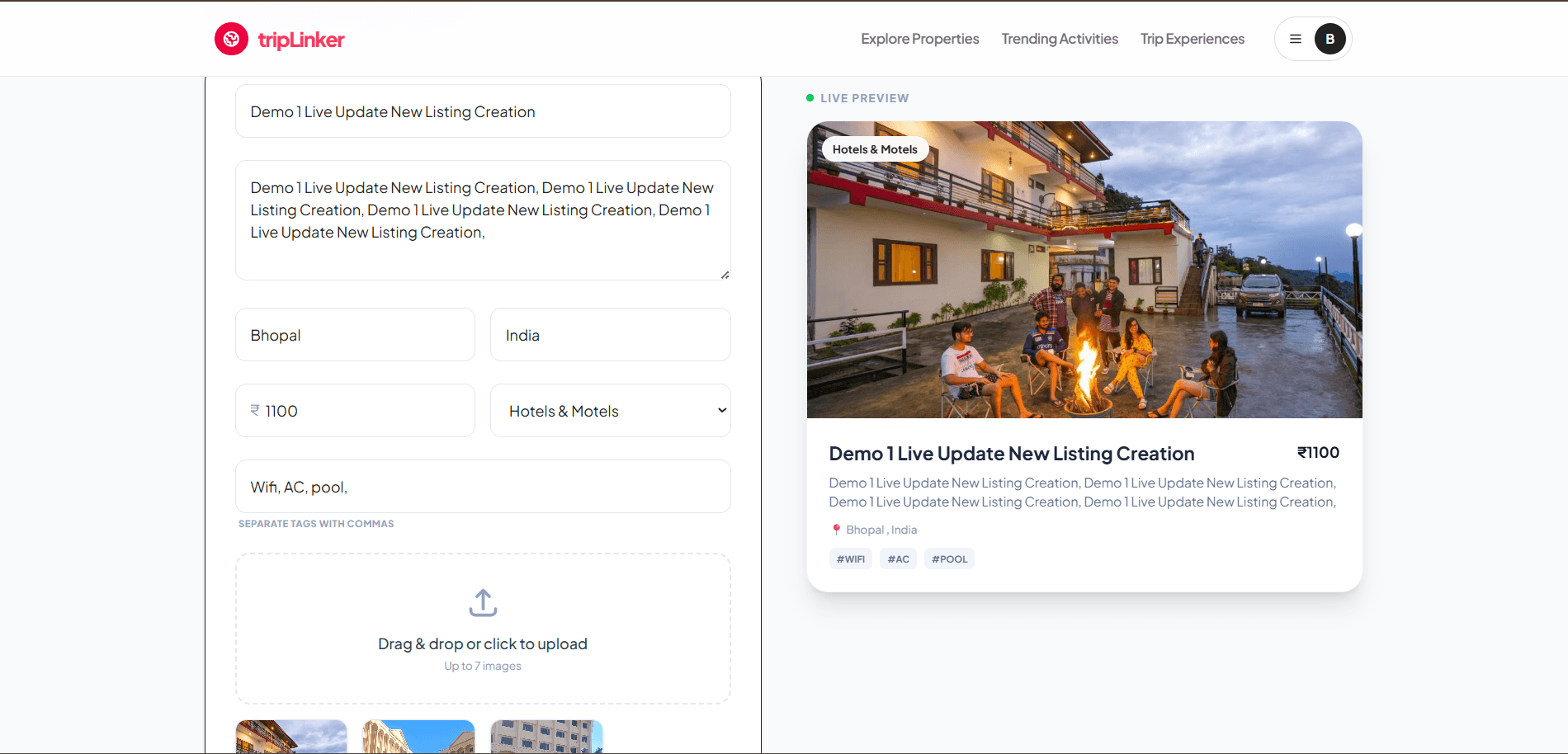
4. Efficient Image Management
Comprehensive handling of media during creation, editing, and deletion using Multer and Cloudinary, ensuring storage efficiency and preventing orphan files.
Future Roadmap
App Evolution
Migration to React Native for native mobile experience
Recommendation ML
Context-aware Feed page for listings & trips
Social Graph
Advanced Follow system & collaborative Group planning
DevOps Pipeline
CI/CD, Docker, Kubernetes deployment
Event Streaming
Kafka integration for async notifications/logs
Frontend Architecture
Accessibility, SEO, and advanced Custom Hooks
The 'Big Tech' Lens: Scale & Systems
"What if this was built at Google or Uber? How far apart is my architecture from theirs?"
Routing Algo
TripLinker: A* computed live (Mitigated by Redis caching).
Big Tech: Contraction Hierarchies (pre-processed overnight for <5ms queries).
Spatial Indexing
TripLinker: Bounding box filter + Manual Haversine loops.
Big Tech: R-tree / S2 Geometry via PostGIS for true O(1) KNN queries.
Geocoding
TripLinker: Nominatim (OSM) with 3s timeout & 1 req/sec limit.
Big Tech: Proprietary internal geocoders handling typos/colloquialisms in ~10ms.
Recommendation
TripLinker: Returns top results primarily by price/distance.
Big Tech: Ranks POIs via Collaborative Filtering ML models based on deep user context.
Business & Monetization
Engineering exists to serve the business. TripLinker’s architecture supports multiple revenue streams natively by bridging the gap between travel planners and service providers:
B2B Profiles
Premium dashboard tools for Hotels and Activity Owners to manage listings and track engagement.
Featured Listings
Internal ad-engine prioritizing sponsored stays and activities directly within the user's itinerary builder.
Affiliate APIs
External ad integration and affiliate cuts for flight bookings, car rentals, and insurance.